
How to Use PoE Displays to Upgrade Your Control Room
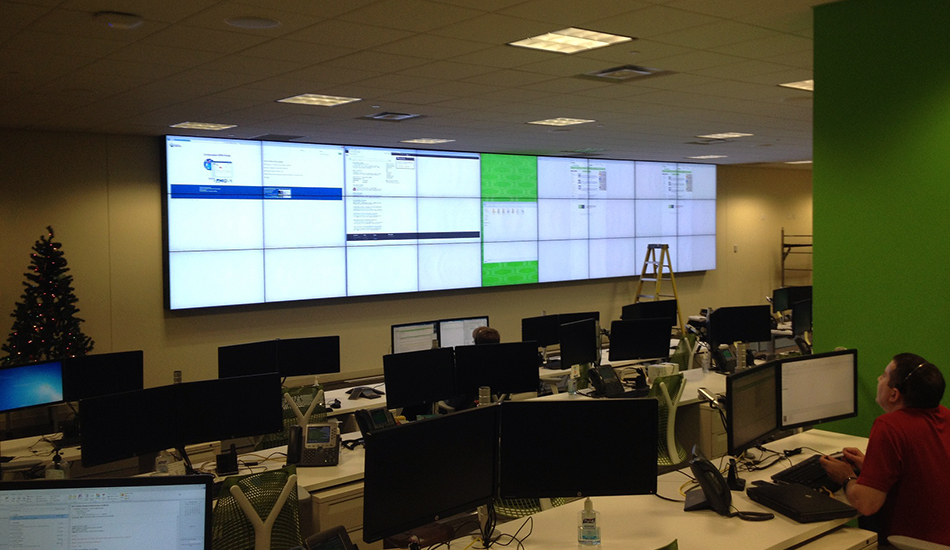
Control rooms are the center of decision making for security teams, utilities, transportation hubs, healthcare facilities, and enterprise IT departments. These environments demand clear visuals, reliable uptime, and systems that are easy to manage under pressure. As control rooms modernize, Power over Ethernet technology has become a practical way to simplify infrastructure while improving performance. PoE displays offer a streamlined approach that aligns well with the technical and operational needs of modern command centers.
Why Control Rooms Are Moving Toward PoE Technology
Traditional display installations often rely on separate power sources, bulky cabling, and complex coordination between electrical and IT teams. In a control room, this can lead to longer deployment times and more potential points of failure. PoE technology changes that equation by delivering both power and data through a single Ethernet cable.
For control room environments, this translates into cleaner installs, faster deployment, and easier long term maintenance. Displays can be relocated or expanded without reworking electrical layouts, which is especially valuable in facilities that evolve over time or operate around the clock.
Centralized Monitoring With Fewer Points of Failure
One of the biggest advantages of a PoE based control room is centralized management. A PoE monitor connected through a managed network switch can be monitored, rebooted, and updated remotely. IT teams gain greater visibility into system health without physically accessing each screen.
This centralized approach supports redundancy planning and faster troubleshooting. If a display goes offline, network tools often provide immediate alerts, allowing teams to act before critical information is lost. In high stakes environments such as security operations centers or network operations centers, this level of oversight supports faster response times and improved situational awareness.
Flexible Display Layouts for Real Time Data
Control rooms rarely rely on a single screen. Dashboards, camera feeds, maps, and analytics often need to be viewed simultaneously. PoE powered displays support flexible layouts by reducing installation constraints. Since power does not dictate placement, screens can be positioned where they provide the most value rather than where outlets are available.
This flexibility also supports future expansion. As operational needs change, additional displays can be added without major infrastructure upgrades. That adaptability helps organizations protect their technology investment while scaling their control room over time.
Improved Reliability in Mission Critical Environments
Reliability is non-negotiable in a control room. PoE displays benefit from the same reliability standards as enterprise networking equipment. When paired with uninterruptible power supplies and redundant network paths, a power over ethernet monitor can remain operational during short power disruptions.
This setup gives teams more control over uptime compared to traditional displays that depend on localized power sources. Centralized power management also makes it easier to apply consistent backup strategies across the entire display ecosystem.
Simplified Cabling and Cleaner Control Rooms
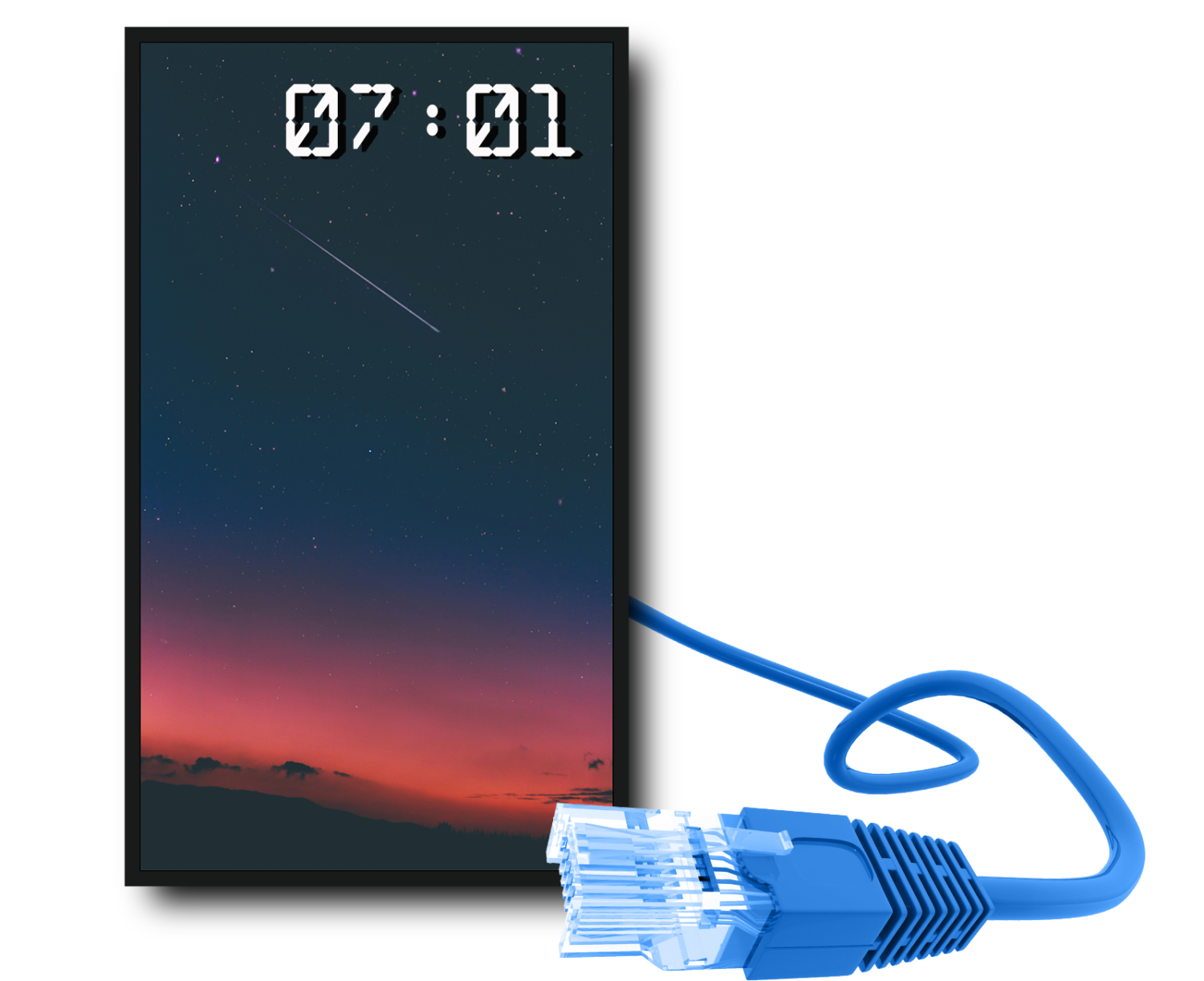
Control rooms already contain dense equipment racks, workstations, and communication systems. Reducing cable clutter improves airflow, safety, and serviceability. PoE displays require only a single Ethernet cable per screen, resulting in cleaner walls, desks, and mounting systems.
This simplified cabling approach also shortens installation timelines. Fewer trades are involved, and configuration becomes more predictable. For organizations upgrading existing control rooms, this can significantly reduce downtime during transitions.
Supporting More Than Just Control Room Data
While PoE displays are ideal for control room dashboards, their versatility extends beyond mission critical spaces. The same display infrastructure can support adjacent areas such as briefing rooms, hallways, and even lobby displays that show operational status or visitor information. This consistency creates a unified visual environment across the facility while keeping management centralized.
Planning a Successful PoE Control Room Deployment
Upgrading a control room with PoE displays starts with proper network planning. Switch capacity, cable quality, and bandwidth requirements should be evaluated alongside display resolution and content needs. Working with experienced display manufacturers and integrators helps align technical requirements with real world use cases.
It is also important to consider future growth. Choosing commercial grade PoE displays designed for continuous operation helps support long term performance as demands increase.
A Smarter Foundation for Control Rooms | GPO Display
PoE display technology provides control rooms with a smarter, more flexible foundation for visual communication. By simplifying infrastructure, improving reliability, and supporting centralized management, PoE displays help organizations build environments that keep pace with evolving operational demands. For teams that depend on real time information, this approach delivers clarity, control, and confidence where it matters most.