
5 Unexpected Uses for Touchscreen Tables
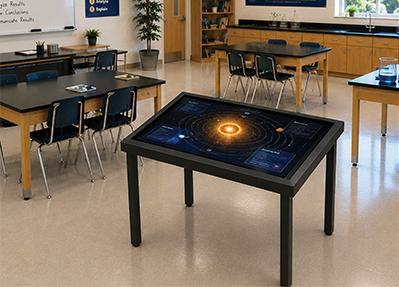
When most people picture a touchscreen table, they think of a flashy showroom centerpiece or a conference room toy. That undersells what these displays can actually do. A well built interactive table, like GPO Display’s InteracTable, is a serious tool that solves real problems across a surprising range of industries. Here are five uses you might not have considered.
1. Command and Control Coordination
In control rooms and emergency operations centers, teams need to view and manipulate shared data fast. A touchscreen table lets multiple operators gather around a single surface, zoom into maps, pull up live feeds, and annotate information together in real time. Instead of everyone huddling around a laptop or craning their necks at a wall display, the whole team works from one collaborative surface built for high pressure decisions.
2. Museum and Visitor Center Exhibits
Static placards are easy to walk past. A touchscreen table invites people to stop and engage. Museums and visitor centers use them to let guests explore timelines, zoom into artifacts, or trigger multimedia stories with a tap or swipe. Because the table format encourages small groups to gather around it together, it naturally turns a solo activity into a shared one, which keeps visitors on site longer and makes exhibits more memorable.
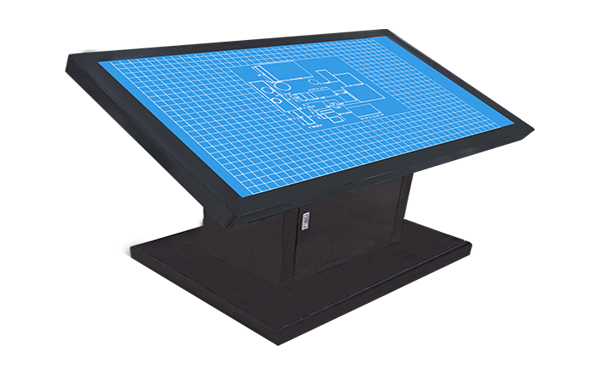
3. Real Estate and Architectural Sales
Selling a property or a development plan often comes down to helping a buyer visualize something that does not exist yet. A touchscreen table lets a real estate team pull up floor plans, rotate 3D building models, and layer in site details while clients sit around the table like they would at a normal meeting. It keeps the conversation collaborative rather than having everyone stare at a screen on the wall, and it makes the pitch feel personal.
4. Healthcare Training and Consultation
Medical education relies heavily on visual and spatial understanding, and a flat screen on a wall only goes so far. Touchscreen tables are increasingly used in teaching hospitals and simulation labs to let students examine anatomical models, walk through procedures step by step, and manipulate imaging data collaboratively. The same setup works well in patient consultation rooms, where a care team can review scans or treatment options together instead of passing around a tablet.
5. High Security Briefing Rooms
Government and defense facilities often need shared displays that meet strict security requirements. A touchscreen table with no wireless connectivity and TAA compliant construction lets analysts and decision makers review sensitive material on a single surface without the data ever leaving a secure environment. It offers the same collaborative benefits as a commercial installation, built to a much higher security standard.
Built for Collaboration | GPO Display InteracTable
What ties these five uses together is one simple idea. Touchscreen tables change how people gather around information. Instead of one person controlling a screen while everyone else watches, a table format puts everyone on equal footing, literally standing or sitting around the same surface.
If your organization could use a display that brings people together instead of putting them in rows facing a wall, it may be time to look at what a touchscreen table can do for your space. Reach out to start a conversation.